

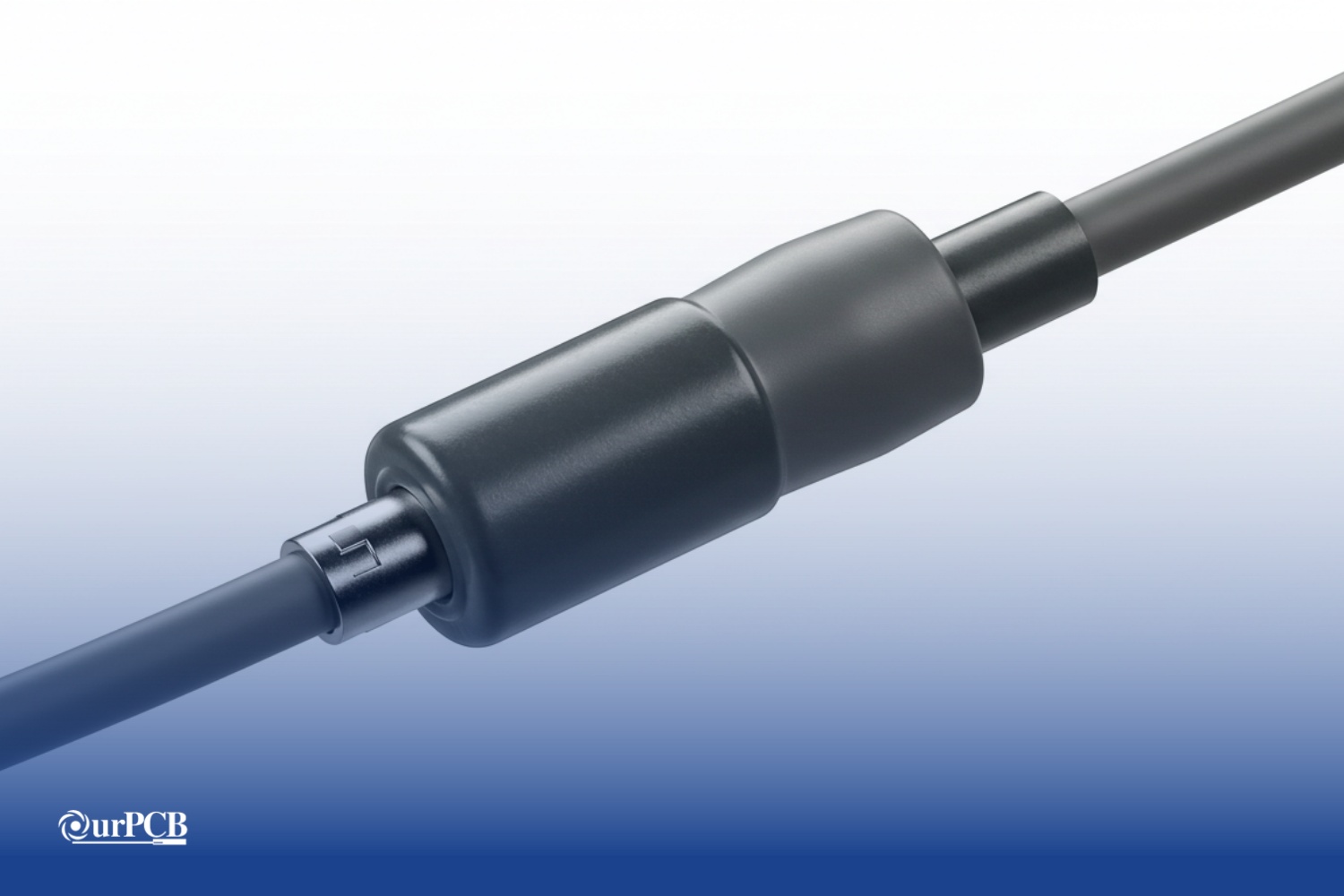
Custom Overmolded Cable Assembly OEM
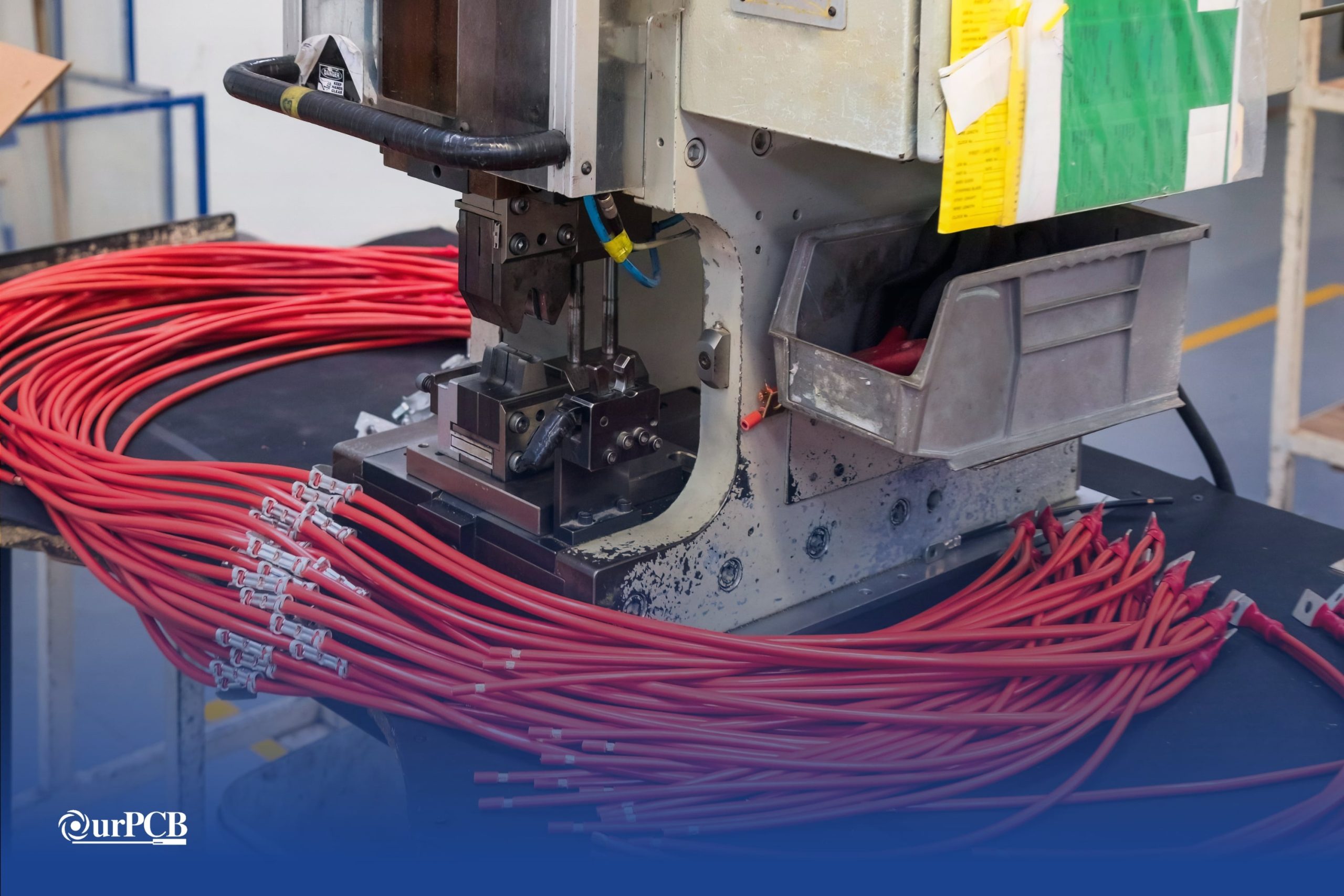
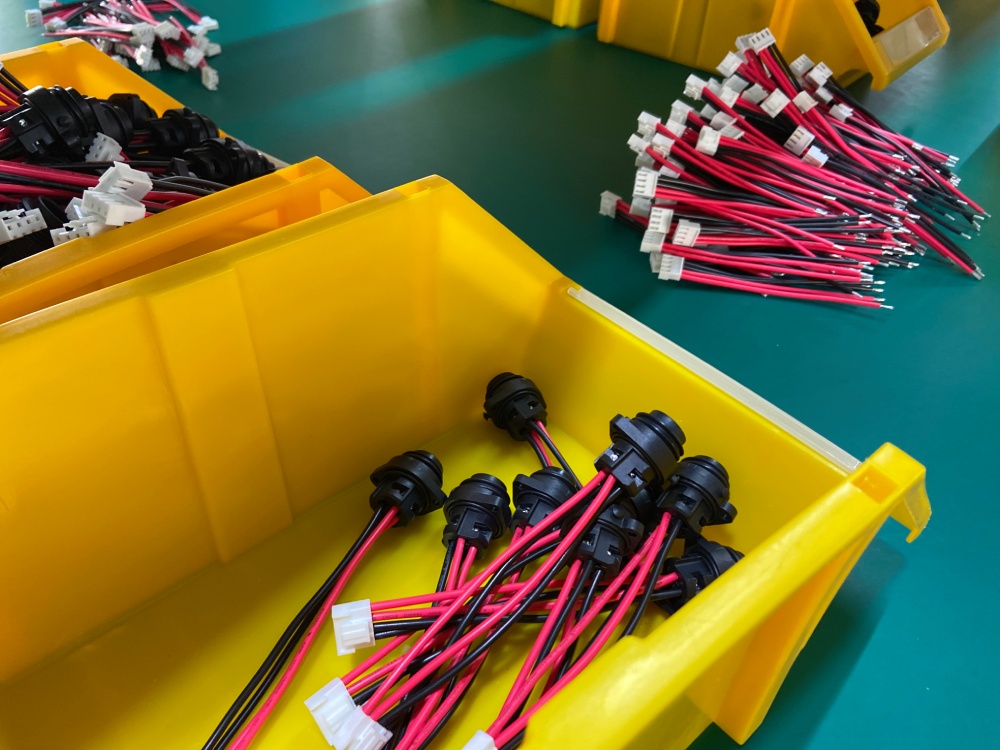
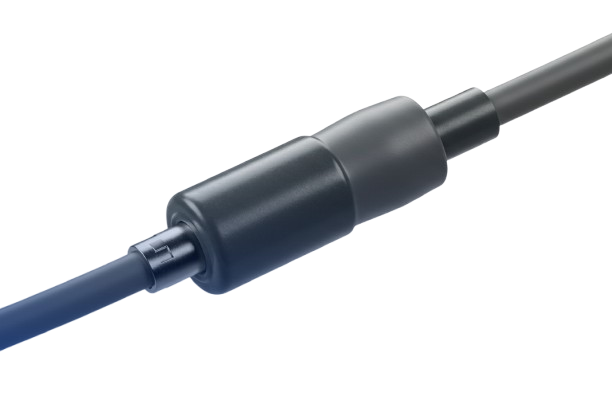
OurPCB specializes in custom overmolded cable assembly OEM solutions that provide superior environmental protection through precision injection molding. By overmolding cable terminations with durable thermoplastic materials, we achieve IP67/IP68 environmental ratings, making our assemblies ideal for medical, aerospace, and industrial automation applications.
Unlike traditional cable assemblies, our overmolded solutions ensure complete protection against moisture, corrosion, and electrical failures. With 360-degree strain relief and a unified, sealed design, our overmolded cable assemblies safeguard internal connections from environmental contaminants, mechanical stress, and electromagnetic interference.


What are Overmolded Cable Assemblies?
Overmolded cable assemblies is a cable assembly process that uses injection molding technology to completely encapsulate cable and connector junctions with thermoplastic materials, creating integrated protective units. The molding process involves placing pre-assembled connections into precision molds and injecting molten materials under high pressure to form protective shells. This transforms standard cable assemblies into environmentally sealed, mechanically reinforced interconnect solutions that eliminate external element penetration.
Core Construction Methods
The two core construction methods are two-shot molding and insert molding. We break both down below for your mold tooling.
Two-Shot Molding Process
The inner mold encapsulates termination points, preventing wire floating. The outer overmold provides environmental protection. It enables multiple molding material combinations for cost optimization.
Insert Molding Technique
The insert molding technique is a manufacturing method. It is a single-shot process for specific geometries. It allows precise cable positioning within the mold cavity. It ensures consistent wall thickness and strain relief geometry.
The complexity of tooling allows for sophisticated molded assemblies with enhanced functionality compared to off-the-shelf solutions.
What are the Benefits of Overmolded Cable Assemblies?
The benefits of molded cable assemblies are their superior performance advantages through integrated construction that provide environmental protection, mechanical durability, and electrical reliability. These benefits ensure cable assemblies withstand harsh operating conditions while maintaining signal integrity and extending operational lifespan.
We’ve outlined each benefit here in more detail for you to inform yourself:
- Certified IP67/IP68 waterproof ratings prevent moisture ingress in submersion conditions up to 1 meter depth
- Complete sealing eliminates external elements penetration including dust, chemicals, and contaminants
- 360-degree strain relief distributes mechanical stress evenly preventing conductor fatigue and termination failures
- Pull strength improvements of up to 300% compared to standard cable assemblies with traditional backshells
- Enhanced electromagnetic interference (EMI) shielding results from complete encapsulation of connection points
- Signal integrity maintenance through reduced electrical noise and improved isolation between contacts
- Temperature performance ranges from -40 °C to +125 °C depending on material selection enabling reliable operation
- Chemical resistance properties vary by material with the ability to withstand fuels, oils, and caustic chemicals
test
Why Choose OurPCB for Overmolded Cable Assemblies?
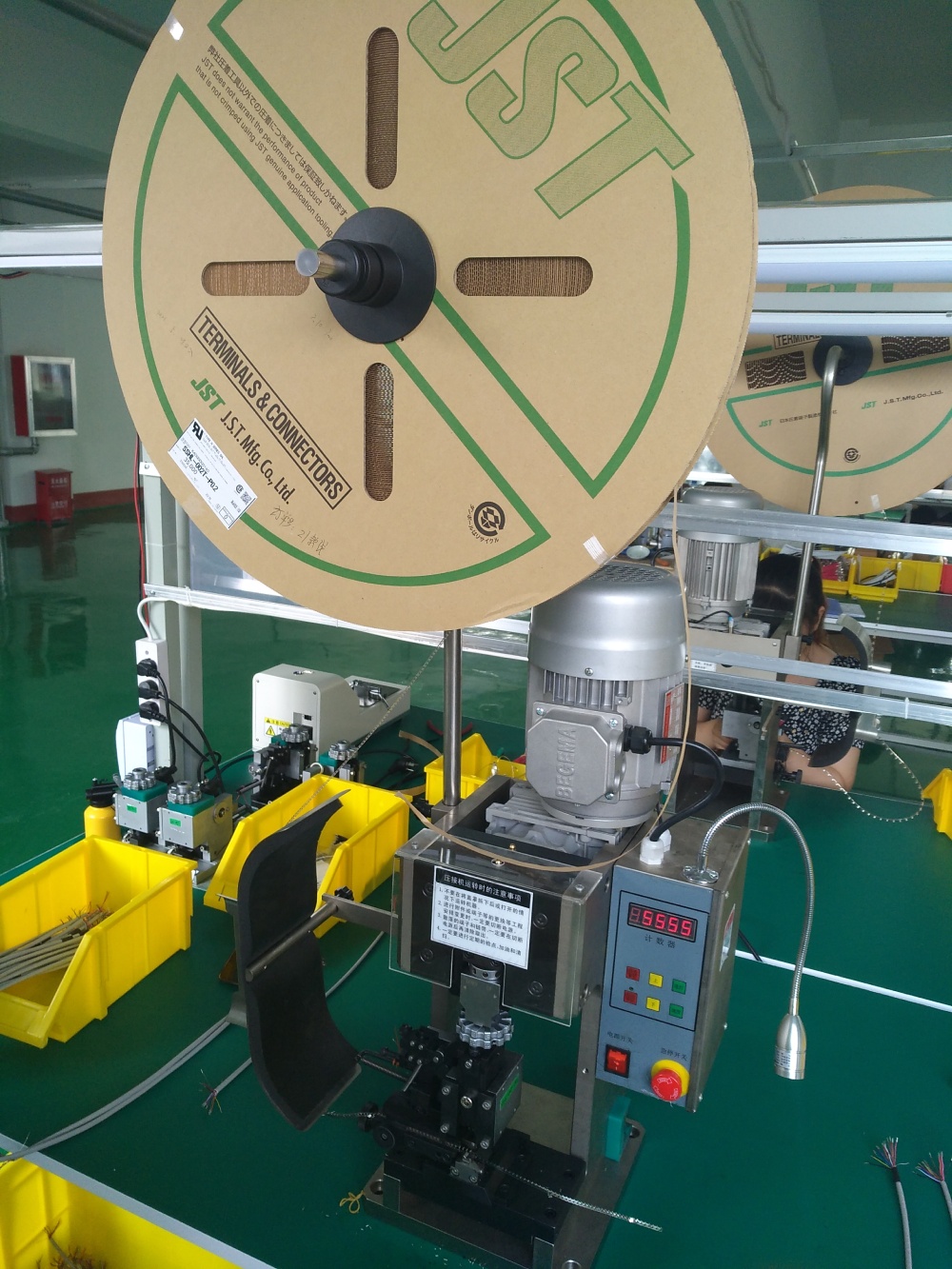
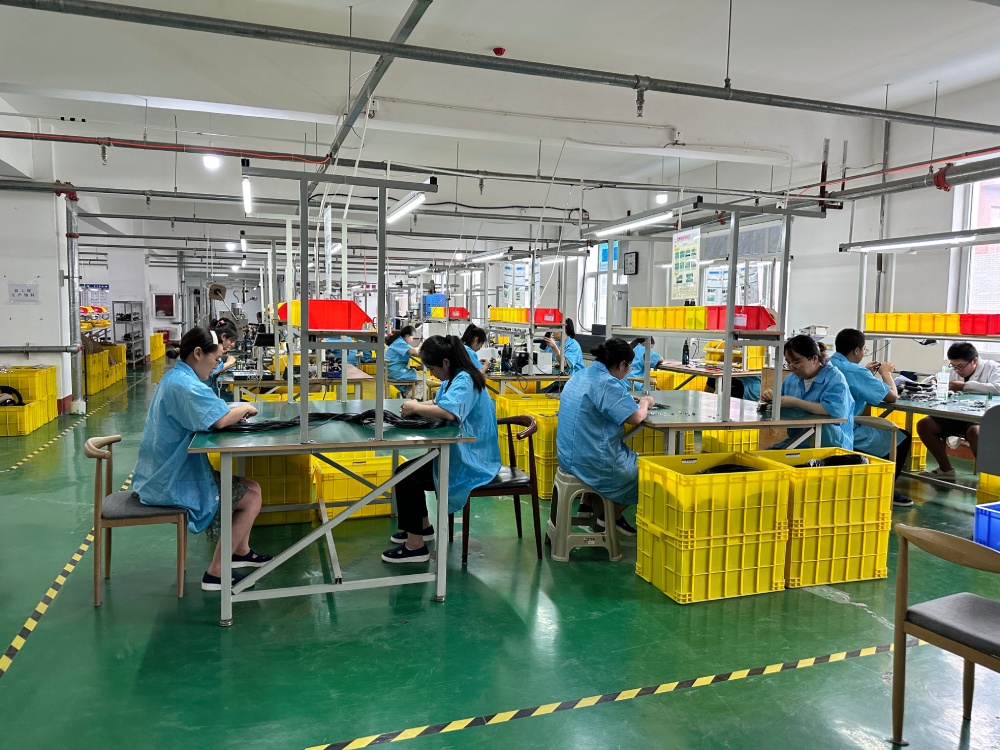
OurPCB combines advanced manufacturing capabilities with comprehensive engineering support to deliver high-quality overmolded cable assemblies across all industries. Our vertically integrated approach ensures consistent quality control from initial design through finished product delivery while maintaining competitive lead times.
- ISO 9001:2015 certification and IPC-620 compliance ensure consistent quality control throughout cable overmolding processes
- ITAR registration enables defense applications with appropriate security protocols and documentation requirements
- The in-house engineering team provides design consultation utilizing advanced moldflow analysis software for optimal results
- Custom mold tooling capabilities include both hardened steel production molds and aluminum prototype development
- 50-500 ton injection molding machinery accommodates assemblies from miniature connectors to large cable harness assembly applications
- Scientific molding principles with cavity pressure monitoring ensure dimensional consistency and specification tolerance control
- Our materials library includes TPU, PVC, Santoprene, and specialized compounds for unique assembly needs and high-reliability applications
- Rapid prototyping with 3D printed models enables design validation before production tooling investment
![]()
Factory-Ready for Ultra-Fine Assembly
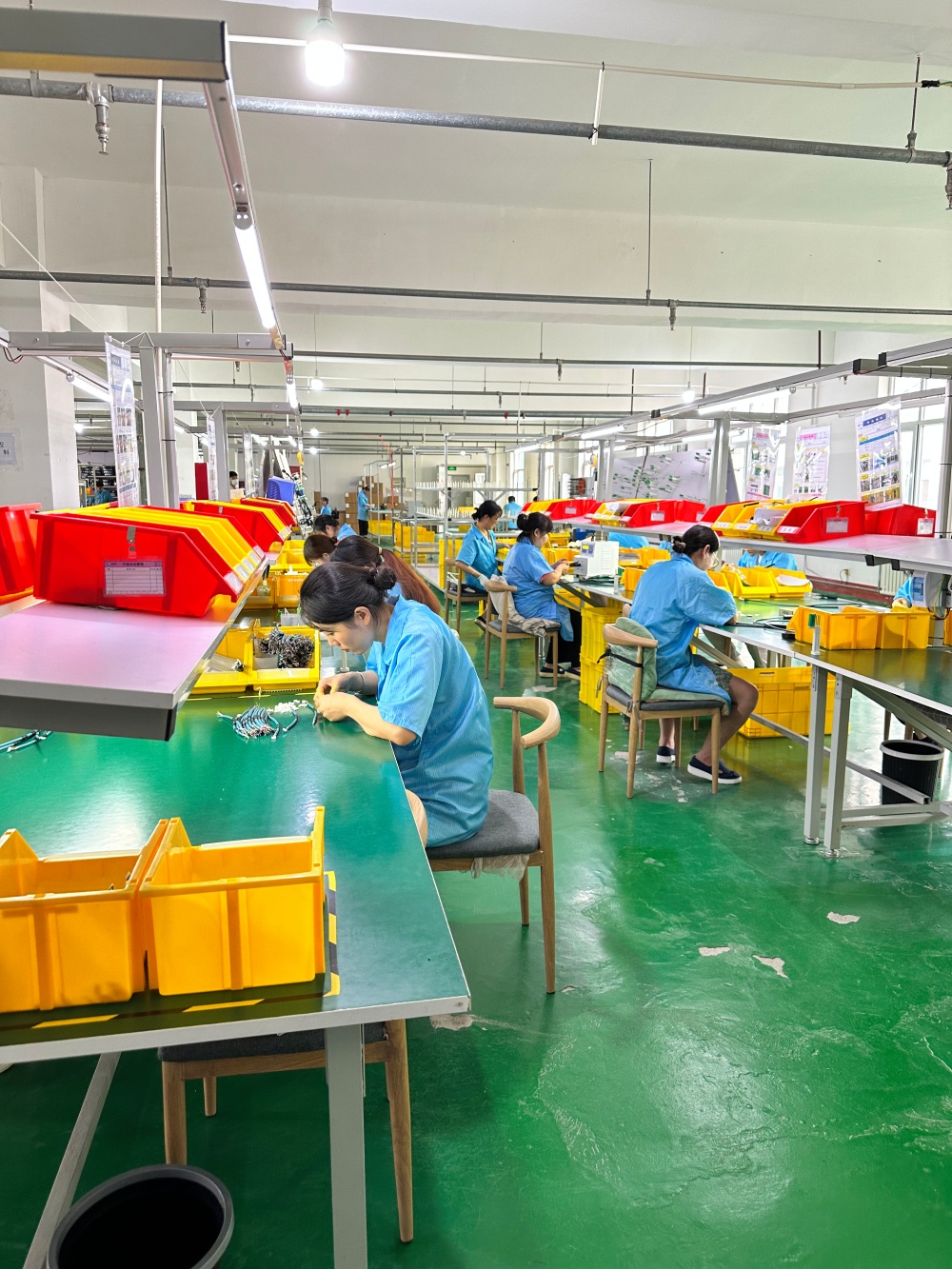
Our dual 10,000 m² PCB assembly houses in Shenzhen and Shijiazhuang are equipped with high-speed SMT assembly lines capable of placing fine-pitch parts with ±25 µm tolerance.
Each line includes temperature- and humidity-controlled environments, active anti-static systems, and vacuum transport for handling thin or flex printed circuits.
![]()
Certified for High-Reliability Fine-Pitch Workflows
We are fully certified to ISO 9001, IATF 16949, and IPC-A-610 Class 2 & 3, supporting applications where fine-pitch PCB assembly must meet elevated acceptance criteria for solder joint geometry, lead coplanarity, and component body clearance.
Our QA workflows are built to handle fine-pitch PCBs requiring zero solder bridging and uniform joint fillets across dense arrays.
Inspection Systems for High Pin Count Devices
All assemblies involving ball pitch under 0.5 mm, QFN, or PoP packages undergo X-ray inspection, SPI, and AOI with 15 µm resolution optics.
We detect voids, open leads, insufficient solder, lifted terminations, and hidden shorts. This inspection process is a requirement for successful assembly when working with components that provide no visible solder access.
Engineering Review for Pitch-Specific Risks
Every fine-pitch electronic assembly receives a DFM and DFA review focused on stencil coverage, aperture tuning, pcb design limitations, and routing near fine-pitch ICs.
We assist in verifying pad design, thermal pad exposure, and via escape planning, important for high I/O packages like BGA and chip scale layouts where misalignment or solder blockage can compromise yield.
Turnkey Component Sourcing and Lot Control
We offer full assembly component sourcing through partners like Digi-Key, Mouser, and WPG, including traceable lots for hard-to-find or moisture-sensitive electronic components.
Components are stored under MSL-compliant conditions, with drying cabinets and vacuum packaging for all incoming fine-pitch parts.
How does Our Advanced Moldflow Analysis Work?
Moldflow analysis utilizes computational fluid dynamics to simulate molding material behavior during injection molding, predicting flow patterns, pressure distribution, and potential defects before physical tool creation. Our in-house engineering team analyzes gate locations, runner systems, cooling channel placement, and material distribution to optimize molded part quality.
This predictive capability eliminates costly design iterations and ensures first-time manufacturing success.
Analysis Parameters
Analysis parameters include flow simulation elements and design optimization. They are specific, measurable variables used during moldflow simulation to predict material behavior and optimize injection molding performance. These critical factors include material flow rates, pressure distribution patterns, cooling characteristics, and potential defect locations that determine final part quality.
Flow Simulation Elements:
- Material viscosity modeling under temperature/pressure conditions
- Gate location optimization for balanced filling
- Cooling rate analysis preventing warpage and dimensional instability
- Air trap identification eliminating void formation
Design Optimization:
- Wall thickness uniformity verification with specification tolerance control
- Stress concentration point identification
- Parting line placement for optimal surface finish
- Ejection system design preventing part damage
Integrated Testing Across All Assembly Lines
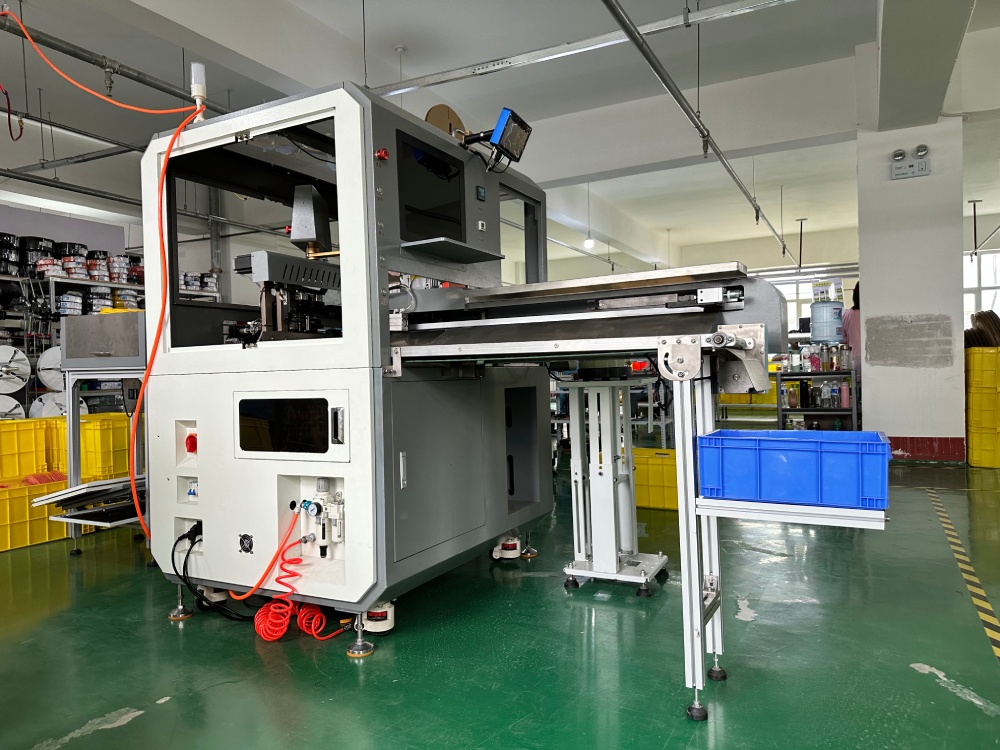
OurPCB integrates PCB testing services directly into SMT, THT, and mixed-technology production lines.
AOI, ICT, and functional test platforms are embedded at key points across our two 10,000 m² facilities in Shenzhen and Shijiazhuang.
Boards pass through automated inspection and electrical test stages without manual handling, reducing contamination risk and improving test repeatability across Class II and III assemblies.
Custom Fixture Engineering In-House
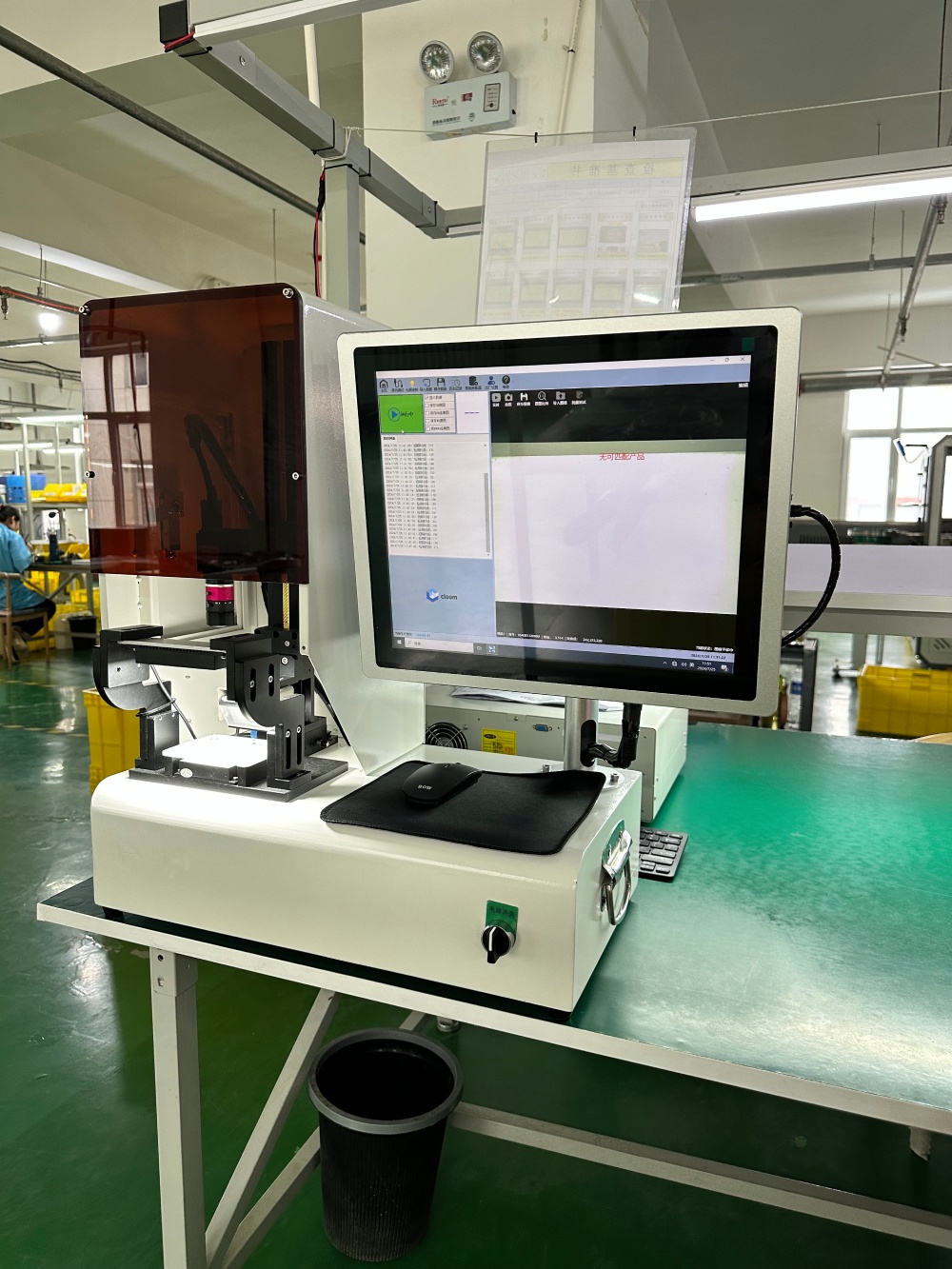
We build all ICT and functional test fixtures internally using CAD-based modeling, high-precision CNC drilling, and pogo-pin calibration systems.
Fixtures are validated for flatness, probe pressure uniformity, and node-to-net correlation before use.
This internal control allows us to shorten test development cycles for new PCB assembly testing services and maintain consistency across repeat orders or multi-site deployments.
![]()
Multi-Platform Equipment with High Resolution
Our test infrastructure includes high-speed AOI (25 µm resolution), 5 µm X-ray inspection, 4-wire flying probe testers, and digital high-voltage dielectric testers.
Resistance measurements down to 10 mΩ, voltage capture from 100 mV to 1500 VDC, and insulation resistance over 1000 MΩ ensure detailed diagnostics for every PCB testing service.
Measurement integrity is maintained through ISO-calibrated instruments and logged reference values.
![]()
Full Traceability and Audit-Ready Reporting
We provide serialized test data with barcode traceability, linking each board to its BOM revision, test station ID, operator, and timestamp.
Reports include fail point coordinates, signal path diagnostics, image references (for AOI/AXI), and environmental test logs.
Our infrastructure supports full compliance with ISO 9001, IATF 16949, and medical-sector audit requirements, making our PCB functional testing services suitable for regulated deployments.
![]()
Class III Conformance with Reliability Testing
Our testing flows conform to IPC-A-610H Class III for high-reliability electronics, including burn-in testing, dielectric breakdown validation, and full visual and optical inspection of PCBs before final sign-off.
We support test plans that include ESS, startup sequence monitoring, and functional loop stress testing to simulate real-world deployment.
All solder joints, including BGA and QFN, are inspected using 3D AOI and void-mapped X-ray analysis.
![]()
48-Hour Quoting and Fixture Review
Comprehensive quotes for PCB testing services and fixture-based setups are delivered within 48 working hours.
For new PCBA designs, we provide a DFT assessment, pin map verification, and component access review before test planning begins.
This early-stage input improves test coverage, minimizes false failures, and enables rapid onboarding for customers requiring PCB assembly testing services with complex or high-mix builds.

Analysis Parameters
Analysis parameters include flow simulation elements and design optimization. They are specific, measurable variables used during moldflow simulation to predict material behavior and optimize injection molding performance. These critical factors include material flow rates, pressure distribution patterns, cooling characteristics, and potential defect locations that determine final part quality.
Flow Simulation Elements:
- Material viscosity modeling under temperature/pressure conditions
- Gate location optimization for balanced filling
- Cooling rate analysis preventing warpage and dimensional instability
- Air trap identification eliminating void formation
Design Optimization:
- Wall thickness uniformity verification with specification tolerance control
- Stress concentration point identification
- Parting line placement for optimal surface finish
- Ejection system design preventing part damage
What Hybrid Construction Techniques do we Offer?
Hybrid overmolded assemblies combine multiple protection technologies within single assemblies, utilizing overbraided shielding with cable overmold environmental protection for applications requiring both electromagnetic shielding and environmental sealing. Low pressure molding techniques encapsulate sensitive electronics while maintaining dimensional accuracy on delicate components and PCBs.
Specialized Hybrid Approaches
Specialized hybrid approaches combine multiple protection technologies within single overmolded assemblies, such as overbraided overmolded designs and accordion boot integration. They can achieve enhanced performance characteristics beyond standard overmolding. These advanced techniques integrate different materials, construction methods, and protective elements.
Overbraided Overmolded Design:
- Metallic braid provides EMI shielding
- Overmold encapsulates braid preventing fraying and securely encloses connections
- Maintains flex characteristics while enhancing protection
Accordion Boot Integration:
- Flexible bellows sections for dynamic applications
- Overmolded terminations with mechanical strain relief
- Extended flex life in repetitive motion applications
Multi-Material Construction:
- Hard polycarbonate for structural components
- Soft TPU for flexible strain relief sections
- Chemical-resistant outer layers for harsh environment protection
Custom molded cable assemblies utilize this hybrid approach to improve the performance of complex assemblies requiring specialized materials that can be used for unique assembly needs.
What Materials do we use for Cable Assembly Overmolding?
Thermoplastic polyurethane serves as primary overmolding material providing flexibility, abrasion resistance, and chemical compatibility. Medical-grade formulations meet USP Class VI biocompatibility standards while flame-retardant versions achieve UL94 V-0 ratings. Material selection considers operating temperature, chemical exposure, flexibility requirements, and regulatory compliance with high-reliability specifications.
Material Selection Matrix
| Material | Temperature Range | Key Properties | Applications |
|---|---|---|---|
| TPU | -40 °C to +125 °C | Flexible, abrasion-resistant | General purpose |
| PVC | -20 °C to +85 °C | Cost-effective, flame retardant | Industrial |
| Santoprene | -50 °C to +135 °C | Chemical resistant | Automotive |
| Polycarbonate | -40 °C to +130 °C | Rigid, optical clarity | Fiber optic |
| EPDM | -55 °C to +150 °C | Weather resistant | Outdoor |
| Silicone | -65 °C to +200 °C | Extreme temperature | Medical/aerospace |
The number of potential materials used in the overmolding process provides extensive customization options, with consideration when designing for specific application requirements and fabrication constraints.
Industry‑Specific Applications for Overmolded Cable Assemblies
Overmolded cable assemblies are engineered for high‑reliability applications where environmental protection, mechanical durability, and electrical integrity are critical. These assemblies are ideal for industries and use cases that demand rugged performance in harsh conditions, dynamic environments, and specialized systems:
Automotive & Off‑Road Vehicles
From heavy‑duty truck systems to off‑road vehicles, our overmolded cable assemblies deliver the durability and vibration resistance needed in demanding automotive environments. Whether for harnesses in rugged construction equipment or custom overmolded cable assemblies for EV powertrains, we tailor solutions for high‑stress applications across all vehicle types.
Keywords targeted: overmolded cable assemblies for vehicles, off road vehicle overmolded cable assemblies, electric vehicle overmolded cable assemblies, ev overmolded cable assemblies.
Marine & Maritime Systems
Cables used in marine and maritime environments must withstand saltwater, humidity, UV exposure, and constant movement. Our marine overmolded cable assemblies are designed with environmental sealing and corrosion resistance to ensure long‑term performance on boats, ships, offshore platforms, and coastal equipment.
Keywords targeted: marine overmolded cable assemblies, maritime overmolded cable assemblies.
Agricultural & Heavy Machinery
For agricultural applications such as tractors and heavy farm equipment, our custom overmolded assemblies are built to resist moisture, dust, vibration, and mechanical stress encountered in field operations, ensuring reliable system connectivity and reduced downtime.
Keywords targeted: tractors overmolded cable assemblies.
Industrial & Railroad Applications
Industrial systems often operate in environments with temperature extremes, contaminants, and mechanical load. Our industrial molded cable assemblies meet these challenges with robust overmolding and strain relief designs. We also support specialized sectors like freight train overmolded cable assemblies, where dependable performance is mission‑critical.
Subsea & Harsh Environment Deployments
Subsea electrical systems require cabling that can survive pressure, corrosion, and immersion. Our overmolded cable solutions provide complete environmental sealing and material compatibility for underwater and harsh environment applications.
More Custom Cable Assembly Manufacturing Services
Millions of business and innovators use OurPCB


Technical Capabilities
Engineering capabilities encompass complete design-to-manufacturing services utilizing finite element analysis (FEA) for strain relief optimization and mechanical performance prediction. Environmental testing includes IP rating verification, salt spray testing, thermal cycling, vibration testing, and chemical compatibility assessment. Quality management maintains statistical process control with real-time monitoring of injection pressure, temperature profiles, and cycle times.
Our overmold tooling capabilities include both hardened steel production molds and aluminum prototype molds for design validation. 3D printed prototypes enable rapid validation before committing to production tooling investment. Documentation systems provide complete traceability from raw material certification through finished product inspection, supporting medical device, aerospace, and automotive quality requirements while maintaining proper tolerances throughout the manufacturing process.
Ready to Start Your Overmolded Cable Assembly Project?
OurPCB’s advanced cable expertise delivers environmental protection, mechanical durability, and electrical performance your applications demand. ISO 9001:2015 certified processes, comprehensive engineering support, and flexible volume requirements make us your ideal interconnect solution partner for robust cable applications.
Contact our engineering team for technical consultation, material recommendations, and detailed project proposals bringing your designs to life with proven overmolding expertise and vertically integrated manufacturing capabilities.
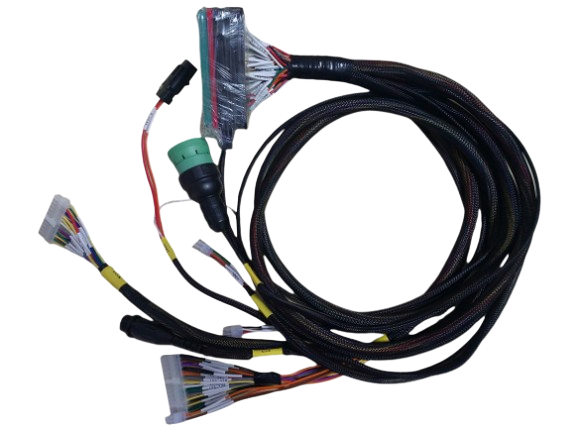
Capabilities & Services
- Wire Gauge: 40AWG-120mm²
- Production Capacity: 10,000 pieces/hour
- Wire Cutting Service
- Wire Stripping Service
- Wire Marking Service
- Label Types
- Wire Ends Treatment
Custom Wire/Cable Service:
- Wire/Cable types
- Wire gauge
- Wire/Cable length
- Insulation/Jacket color
- Core numbers etc.
Custom Cable Assembly Capacities:
All kinds of cable assemblies including
- Electrical cable assembly
- Coaxial cable assembly
- Multi-core cable assembly
- Connector to board cable assembly
- Automobile communication cable assembly
- Power transmission cable assembly

Mon-Fri: 24 hours,
Sat: 9am-6pm, GMT+8

Reach us at
[email protected]
24 hours online

+86-199-30589219
Mon-Fri: 24 hours,
Sat: 9am-6pm, GMT+8
Custom Overmolded Cable Assemblies FAQs
What moldflow analysis capabilities do you provide during design?
Our moldflow analysis utilizes advanced computational fluid dynamics software simulating material behavior, flow patterns, and cooling rates before mold fabrication. Analysis includes gate optimization, pressure distribution mapping, and defect prediction ensuring optimal part quality and eliminating costly design iterations through comprehensive consideration when designing complex geometries.
Can you provide hybrid over-molded cable assemblies with electromagnetic shielding?
We manufacture hybrid assemblies combining overbraided EMI shielding with environmental overmolding, creating assemblies with both electromagnetic protection and IP67/IP68 environmental sealing. Specialized techniques include accordion boot integration and multi-material construction for demanding applications requiring enhanced durability.
What specialized materials do you offer for extreme environment applications?
Our material library includes Viton for caustic chemical resistance, EPDM for weather resistance, space-grade compounds for radiation protection, and medical-grade TPU meeting USP Class VI biocompatibility. Material selection considers temperature range, chemical exposure, sterilization requirements, and regulatory compliance needs ensuring cables withstand extreme operating conditions.
Ready to Validate Your PCB Assembly
With Reliable PCB Testing Services?
Request a quote and get a custom testing plan tailored to your design, BOM, and inspection needs. We provide PCB testing services with full traceability, calibrated measurement systems, and certified workflows for Class II and Class III assemblies.